Monday, February 3, 2014
Sunday, February 2, 2014
Couples: 10 Quick Tips for Planning Together
There's nothing more romantic than making plans for your future. Set financial goals and vow to keep them. Make sure that your goals are both specific and achievable. Try to set goals that are equally rewarding so that you are both motivated to achieve them. Depend on each other for support and encourage each other to stay focused."a couple will save much heartache down the road by learning to talk about money in the early stages of their committed relationship. we say "learn to talk" because this isn't a one-time event where each of you asks a couple of questions and then you're done." Get Financially Naked, Manisha Thakor and Sharon Kedar
10 Tips for Planning Together
1. Set priorities and specific goals. Don't assume you both have the same goals without discussing them.
2. Discuss values. sometimes differing values make agreement on goals difficult. When one person wants to spend now and one wants to save for later, it can be a source of friction. The same is true when one spouse tends to be less risk oriented than the other about investments. Do you know the key component of your mate's money history?
| Image Credit- ONE: Extraordinary Marriage |
4. Budget together. Set up a manageable system for your cash flow together.
5. Know where your money is going. Keep records of your spending.
6. Don't assume that because you're both working that you have a lot more to spend.
7. Save regularly so you aren't locked into that second income.
8. Who handles the actual paperwork can be a matter of personal preference, although both of you should practice at it.
9. Don't confuse the task of doing paperwork with the act of financial decision making.
10. Sit down together and discuss finances at least once a month.
Get started today talking with your spouse or significant other about money matters. You'll find it very freeing. You will feel an enormous weight lifted from your shoulders and you will know where each other stand when it comes to money.
Sources:
http://www.moneymanagement.org
Get Financially Naked: How to Talk Money with Your Honey by Manisha Thakor and Sharon Kedar
Saturday, February 1, 2014
Couples and Money
![]() |
| Image Source: corriebradshaw.com |
Money does matter when it comes to having a happy, healthy relationship so couples should try to devote time to improving their financial standing. A little honest communication could keep your relationship from becoming a statistic.
Share Your Feelings
No matter how unromantic, having an open and honest discussion about your financial past and future is vital to your financial success. Remember that everyone has their own money style, which has been shaped by their past experiences. Talking about money issues honestly and openly gives you a much better chance of having a strong, healthy financial relationship.
"If you are willing to take your clothes of in one way, you should be willing to Get Financially Naked." Get Financially Naked by Manisha Thakor and Sharon Kedar.
Commitment
No one will care more about your financial security more than the two of you. Make a pledge to each other to take joint responsibility and steps to better your overall financial standing by paying down debt and establishing a savings cushion.
Establishing a savings cushion could keep a financial setback from becoming a financial disaster. and reducing debt allows you to make smart financial choices in the future.
Make Plans
There is nothing more romantic than making plans for your future. Set financial goals and vow to keep them. make sure that your goals are both specific and achievable. Try to set goals that are equally rewarding so that you are both motivated to achieve them. Depend on each other for support and encourage one another to stay focused.
Spend some quality time. Schedule a time to meet each month to discuss your financial goals and expectations. Review your budget regularly in order to identify problem areas. setbacks will happen, so try not to be discouraged. Make adjustments as often as needed to ensure financial success. You can either manage your financial life, or let it manage you and your relationship.
Know Your Individual Rights
State laws vary quite a bit regarding ownership of income and responsibility for debt. Learning about your individual privileges and liabilities will only help your relationship and could provide future financial security in a time of need.
Finally, the most important money move you can make for your relationship is to embrace your differences. Understand that you cannot change feelings created by a lifetime of experience; instead, try to cultivate the positive aspects of each of your styles. There is no one "right" way to handle your finance and marriage of your money styles may be the perfect solution.
Sources:
www.moneymanagement.org
Get Financially Naked: How to Talk Money with Your Honey by Manisha Thakor
Sources:
www.moneymanagement.org
Get Financially Naked: How to Talk Money with Your Honey by Manisha Thakor
Saturday, January 18, 2014
Free eBook: Building Wealth- A Beginner's Guide to Securing Your Financial Future
Building Wealth: A Beginner's Guide to Securing Your Financial Future offers introductory guidance to individuals and families seeking to help to develop a plan for building personal wealth. It provides and overview of personal wealth-building strategies that includes setting financial goals, budgeting, saving and investing, managing debt, and understanding credit reports and credit scores.
This is a great 39 page ebook from the Federal Reserves Bank of Dallas.
Building Wealth is also available as an animated online interactive version and a mobile app, both versions can be accessed from their website dallasfedbuildingwealth.org.
The app is also available as a free download in the App store for Android, Apple and Blackberry mobile devices.
Monday, January 6, 2014
Why you Should Read your Bills
Bills, bills, bills… When they arrive, it can be hard enough to look at the bottom-line… never mind wading through the charges.
BUT… if you don’t check your charges, you could end up paying for things you never bought. That could be the result of a thief stealing your information, or a merchant making an honest mistake.
Thieves don’t need your actual credit card in order to use it – just your card number and expiration date.
And other times, a store might accidentally charge your card several times. It’s a slip-up that’s easy to fix… IF you spot it.
So read your bill and be on the lookout for unexpected charges on your statement. And if your card is ever lost or stolen, call your credit card company immediately to report it.
Comment back- do you read your bills, or do you just pay the balance?
Friday, January 3, 2014
Are you a Victim of Identity Theft?
Have you ever found unexpected withdrawals on your bank statement — or a strange new account on your credit report? You could be a victim of identity theft. Keep an eye out for unexpected activity on your financial records, medical bills or IRS statements.
Received phones calls from debt collectors about debts that aren’t yours? Ever get an unexpected bill – or even stopped getting your bills?
If any of these happens to you, you could be – a victim of identity theft.
Identity theft is when someone steals your personal information. Then they take money out of your accounts, apply for credit cards, or go on a spending spree – all using your name.
Wreaking havoc with your money, your credit, and your personal sense of security. You might even be questioned for crimes you didn’t commit.
Identity theft happens. It's an unfortunate fact of modern life. But there are certain steps you can take to help keep your personal information from falling into the wrong hands.
Every day, you do things to protect what's most important to you. And you know what? You do them almost automatically. Routine things like looking both ways before you cross, brushing your teeth, and buckling your seat belt.
Another routine to get into is keeping tabs on your identity and personal information. Here are seven easy ways you can do it.
1. Read your credit card and bank statements carefully and often.
2. Know your payment due dates.
3. If a bill doesn't show up when you expect it, look into it.
4. Read the statements from your health insurance plan.
5. Make sure the claims paid match the care you got.
6. Shred any documents with personal and financial information.
7. Review each of your three credit reports at least once a year. It's easy, and it's free.
And before you know it, protecting your personal information can be as routine as locking your doors at night.
What to do if you are a victim of identity theft.
First, call one of the nationwide credit reporting companies. Ask them to put a fraud alert on your credit report. This means businesses must confirm that you are you before they extend credit in your name. The alert is a roadblock in the path of an identity thief. And it's just one phone call away.
Second, order free copies of your credit report from each of the nationwide credit reporting companies.
Third, complete the complaint form at ftc.gov/complaint. This creates an identity theft affidavit, which helps you file a police report. Keep records of your calls and copies of your documents. You'll use them later on.
So keep an eye out for unexpected activity on your financial records, medical bills or IRS statements and be proactive when you find errors.
Tuesday, December 31, 2013
Free eBook: New Beginnings in the New Year - Money Management
Free eBook: New Beginnings in the New Year - Money ManagementWhether deterred by uncontrollable forces (like the economy and job loss) or just fear of lacking the self-discipline to follow through, the New Beginnings eBook from Monemanagement.org aims at helping consumers start the new year off right by setting and keeping financial resolutions that not only improve their finances, but also improve their life.
New Beginnings covers:
- Ten financial resolutions worth keeping
- Steps to get a grip on financial clutter
- How to set realistic financial goals and resolutions
- How to personalize goals to make them more achievable
New Beginnings offers a step-by-step guide to turning resolutions into action-oriented steps that make achieving financial success in a reality.
The New Beginnings eBook can be downloaded for free by visiting:
Source:
Wednesday, December 18, 2013
10 Money Saving Tips
1. Consider your needs vs. your wants. Think about items you purchase on a regular basis. These add up. Where can you save?
- Do you eat out at restaurants a lot?
- Can you cut back on daily expenses, such as coffee, candy, soda, or cigarettes?
- Do you have services you do not really need, such as cable television or a cell phone?
2. Set up a direct deposit and an automatic transfer to your savings account.
- When you get paid, put a portion in savings through direct deposit or automatic transfer.
- If you have a checking account, you can sign up to have money moved into your savings account every month. What you don’t see, you don’t miss!
- U.S. Savings Bonds can be purchased through payroll deduction.
3. Pay your bills on time. This saves the added expense of:
- Late fees
- Extra finance charges
- Disconnection fees for phone, electricity, or other services
- Fees to reestablish connection if your service is disconnected
- The cost of eviction
- Repossession
- Bill collectors
4. If you use check-cashing stores regularly, you might be paying $3 - $5 for each check you cash. This can easily add up to several hundred dollars in fees every year. Consider opening a checking account at a bank or credit union.
5. If you get a raise or bonus from your employer, save that extra money.
6. If you have paid off a loan, keep making the monthly payments to yourself. You can save or invest the money for your future goals.
7. If you receive cash as a gift, save at least part of it.
8. Avoid debt that does not help build long-term financial security. For example, avoid borrowing money for things that do not provide financial benefits or that do not last as long as the loan. Examples include: a vacation, clothing, and dinners out in restaurants.
Examples of debt that helps build long-term financial security include:
- Paying for a college education (for you or your child)
- Buying or remodeling a house
- Buying a car to get to work
9. Save your change at the end of the day. Take that change and deposit it into the bank (every week or month).
10. When you get a tax refund, save as much of it as possible.
Sunday, December 15, 2013
King Solomon's Wisdom

God inspired the wisest and richest king to write witty sayings full of advise for us to prosper in every part of our life. The writings of King Solomon are practical, hard-hitting, current, and spiritual. There is not a better book for financial advise than the words of King Solomon.
Financial planners charge a bundle for their sometimes bad advise, but what would the wisest man who ever lived charge for answering not just financial questions, but questions about all our problems? $100 an hour? $300 and hour? Gods inspired wisdom from King Solomon's life is priceless and absolutely, 100% free! (Who doesn't love getting something free?).
King Solomon was incredibly rich, and he gave inspired advise to his children and citizens to be fiancially wise. Some of his rules are well known, but others are not taught in any business school.
Before you can save or invest money, you must earn it. Solomon emphasized diligence as a key to financial success. A lazy person will be poor, and there are many people who are poor because they are relatively lazy, of course not all who are poor are lazy. But the labors of the diligent man will acquire riches. Proverbs 10 verse 4 says, " He becometh poor that dealeth with a slack hand: but the hand of the deligent maketh rich." Poverty or riches, the choice is yours! You will be faced with this choice for your entire life. The one who applies her self diligently to her family, career, home, or other duties will be rich, but the one who is a slacker, or is lazy, will be poor.
As Christians we should to be the most deligent workers in any situation. We have to show the world a physical example of focused energy, intense persistence, and careful zeal to do what's necessary to finish even the most unpleasant tasks. We should never consider the excuses of the slacker, as they are opposite of God's inspired wisdom given to King Solomon.
The Lord Jesus Christ himself was exceptionally diligent. And his Apostles followed His great example. In fact, Paul boasted in the grace of God that he labored more abundantly than all others.
Can you boast of your diligence?
Saturday, December 14, 2013
5 Easy Ways you Can Save Money on Gas
Heard about the latest gizmos to improve your gas mileage?
Well… studies show they don’t deliver as promised… and some can even damage your car’s engine.
The latest gas saving gizmos don't deliver as promised, and may lead to you spending more than you save. But there are easy steps you can take to increase your gas mileage and stretch your gas dollars.
Here are five easy ways you CAN save money when it comes to your car:
1. Clean out your trunk. Don’t carry what you don’t need.
2. Slow down. Every five miles per hour over 60 costs you a quarter extra for a gallon of gas.
3. Go online to find the least expensive gas stations in your area
4. Turn off your engine if you’re parked and waiting.
5. Keep your tires inflated to the recommended level to get better gas mileage.
So, always check out offers that promise to lower your gas millage before spending your hard earn money.
Do you have any great tips for saving money on gas?
Friday, December 13, 2013
How to Save Money on Heating your Home
More than HALF our household energy costs go to heating? Energy efficiency isn’t just good for the environment, it means lower utility bills, too.
One way to reduce your energy waste is a home energy assessment. Your utility company can help – or you can learn how to do it yourself at EnergySavers.gov.
You’ll learn to look for air leaks around windows and doors, check ducts for holes and to improve your insulation.
Another time to cut energy costs is when you shop for a new appliance. Look for the Energy Star logo and read the EnergyGuide label.
And there are day-to-day things you can do. Lower your thermostat in winter and raise it in the summer. Close fireplace dampers when they’re not in use. And keep air filters clean.
What tips do you use to save on your heating costs?
Thursday, December 12, 2013
Online Shopping Tips
| Image Credit- www.corpoclothes.com |
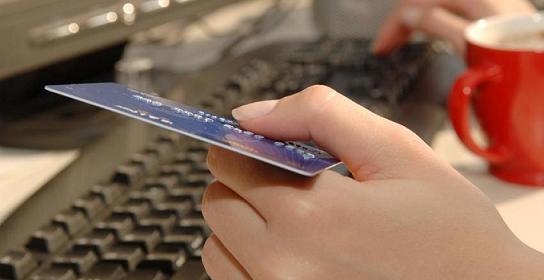
Are you one of the millions of people looking to buy something online? If you are, there are steps you can take to avoid hassles, get the right product at the right price, and protect your financial information.
First, plan ahead by setting a budget. Ask yourself, “How much do I want to spend?” Be sure to include delivery costs in your budget.
Second, determine what’s most important to you about the item you’re thinking about buying. What are the “must-have” product features? Are there features that would be nice to have, but you can live without? This will help you choose the product that meets your needs.
Take a few minutes to compare products. Type the name into a search engine along with words like “review,” “complaint” or “scam.”
Read online reviews from other people who bought the item or from product experts. Look for feedback about how well the product works and its overall quality.
If you’ve never heard of the company selling the product, look for reviews about their reputation and customer service. Read a few reviews so you’re not relying on just one source.
Of course, you’ll also want to know the total cost of the product.
Check shopping comparison sites to compare the price of the product at different websites. Remember, shipping costs and other “add-ons” may not be included in these prices. Look for online coupon codes. Search the store’s name with terms like “coupons,” “discounts,” or “free shipping.”
Before you decide where to buy, check out the terms of the deal. When will you get your order? The law requires sellers to ship items within 30 days of the sale. If you have to return the item, can you get a refund? Who pays for return shipping? Is there a restocking fee?
Next, decide how to pay.
Paying by credit card gives you some protections that other methods of payment may not. If there’s a problem, the law gives you the right to dispute charges and temporarily withhold payment while your dispute is investigated. If someone uses your credit card without your permission, some companies will cap your liability at $50. Others will waive the charges entirely.
Before you enter your credit card or other financial information online, check if the website address starts with “https”. The “s” stands for “secure” and means that your information is encrypted before it’s transmitted.
Now, you should be ready to enjoy whatever you’ve bought online. If you have a problem with an online purchase or charge, try to work it out with the seller first.
If you can’t resolve the problem, file a complaint with the Federal Trade Commission, the nation’s consumer protection agency, at ftc.gov/complaint.
By planning, comparing products and costs, and making sure you check out securely, you can make your online shopping experience safer—and more enjoyable.
Tuesday, December 10, 2013
Monday, December 9, 2013
Saturday, December 7, 2013
How to Avoid Overspending this Holiday Season
Christmas is just a little over two weeks away and if you celebrate by giving gifts it's easy to overspend or rack up your credit card debts if you don't pay attention to your budget. Staying on budget during the holidays requires thinking about what really matters to you.
If you tend to overspend, here are a few quick tips that can help you cut your spending and still allow you to enjoy the season.
1. Make a list and check it twice
If you haven't already, list the friends and family members with whom you usually exchange gifts. Then decide if there is any one you can remove from your list.
2. Set a budget
One you're satisfied with who's on your list, set a budget fro each person or gift. Pick a dollar value you are comfortable with. Keep that dollar value in mind but also search for sales that can bring you under budget.
3. Make your own gifts
If you are the creative type, use your talents to lighten the strains on your wallet. For instance, you can create gift baskets with homemade goods, like chocolate chip cookies for a reasonable price. You could also invite friends over for a homemade meal. It doesn't have to be a fancy dinner, make it a pot luck, or get together for desserts or brunch.
When it comes to holiday cards, doing it your self can pay off. Consider sending a letter on brightly colored paper. If you prefer store bought cards, plan ahead for next year. Stores cut prices as the holidays get closer or after the holidays.
4. Give from the heart
Some family members or friends may appreciate your time more than an expensive gadget. Rather than a new fancy coffee maker, you can take a friend to the movies or volunteer to run an errand for an elderly family member.
5. Don't use credit
Pay cash. Wherever possible, pay for everything by cash instead of credit card. This will help you avoid all the fees and interest that are charged to your card- and avoid the surprise of finding out you actually spent more than you should when the credit card statement arrives in January.
Sticking to a budget isn't easy, to ensure your success, always bring a copy of your budgeted list with you when you go shopping. When you're done shopping- go home so you don't give in to impulse buys.
Leave a comment and share how you avoid overspending during the Christmas season.
Wednesday, December 4, 2013
Building Credit and Keeping yours Healthy
You probably know your credit score and how it affects the interest rate you get on a mortgage or car loan. But did you know it could also affect your employment options? Building good credit takes work but it can be done. Continue reading to find out the five things you can do to build a healthy credit score as well as how to avoid some pitfalls that can hurt your score.
There are certain things everyone buys; groceries for lunch and dinner, gas to get you back and forth to work, even a toy or two for the kids, but instead of paying cash or using a debit card for all these little expenses, some of you are using a credit card. If you payoff your bill every month it's not a big deal. But what happens when all these start adding up faster than you thought and you start carrying a credit card balance every month? Before you know it you could be incurring interests and fees, which will add to your overall debt; and if you are not careful you could miss a credit card payment here and there and then your financial health is at risk.
Why should you worry so much about missing a payment every now and then or even over extending yourself by financing things you don't actually need? It's simple, credit is a big part of your financial identity and it's healthiness is defined by what's called a credit score. Your credit score is a number, the most common being known as a FICO score. It helps to evaluate how much of a risk it is to lend you money. It show how responsible or irresponsible you are with your finance. When it's good it can help get you access to lower rates which enable you to borrow for both short term emergencies and longer term bigger ticket items. That's why slacking on your bills or doing anything else that can negatively affect your credit is not a wise move. In fact, it can damage your future ability to borrow money. So, while you may still be able to get the things you need, like a home mortgage or a car loan or even something small like a new cell phone contract, it could cost you even more in the long run. Thats because you will likely be charged a higher interest rate.
Bad credit can affect you in areas of your life you wouldn't even expect; take employers and landlords for example, they may look at your credit score to see if you would be a responsible employee or tenant. Some car insurance companies may also see a direct relationship between your credit score and the likelihood of you being in an accident; and in certain states, this means you are charged alot more for insurance.
First and foremost is your payment history, this goes for all of your bills. All of them, not just your credit cards. This one's a "biggie". This makes up a decent portion of your overall score. Creditors want to know that you pay on time, everytime, even if it's just the minimum. Consistency goes a long way. So pay your bills when they are due and never skip payments. One easy way to stay on top of things to setup automatic payment for your fixed costs like mortgage, gas and electric.
The second most important factor is how much you owe. Simply stated, its the amount of debt you have compared to the amount of credit thats available to you. It's a good rule of thumb to keep your debt lower than the overall credit available, the lower the better. If you get too close to your limit, creditors may think you are biting off more than you can chew or that you are supllementing your income with credit. Whenever possible, keep your debt to credit ratio as low as possible.
Thirdly, creditors want to see that you have been managing credit for a long time. Your credit history shows how long you have been using credit, how you have handled that responsibility and how responsible you have been. Establishing a good long history means you are an old pro at borrowing and managing money and are likely to repay what you borrow.
Fourth, your score can also be affected by the mix of credit types you have. A good mix will include different types of credit; from a mortgage to credit cards, to installment loans like car or personal loan payments which are repaid over time and can help you improve your overall score. This is because it proves you have experience handling a variety of account types instead of having alot of accounts in just one area. And when it comes to balances, lower is always better for your score.
Lastly, creditors want to know what you've been up to lately. They'll look at recently opened accounts and where you are inquiring about credit. Even if you are relatively new to credit or just thinking about borrowing they want to see who gave you credit and when. Also, applying for too much credit can be seen as high risk because it looks like you're desparate for loans. Take department stores, for instance, doesn't it seem like they are always offerring you 10% off if you open up a credit card? Although it could save you some cash right there at the register, think about the possible long term consequences of opening and paying for yet another account.
So, now that you know what makes up your credit score, it's important to check your credit reports, because thats how your score is established in the first place. There are three national credit reporting bureaus that you should know, Experian, Transunion and a Equifax and you are entitle to a free credit report from each of them every year. Which you can request from annualcreditreport.com. You should know that only the reports themselves are free and that there is a fee to get your actual credit score. Also, be sure you check your credit reports for accuracy and take care of any problems ASAP. You don't want any skeletons in your credit closet.
In the end, the best things you can do to keep your credit score healthy is; pay your bills on time and limit your debt payments to less than 20% of your income. Also, be careful not to exceed account limits and make sure none of your accounts are delinquent, because getting an account turned over to a collection agency is a credit score killer that you want to avoid at all costs. If you take these steps, you can achieve a higher healthier credit score, and that's something that money just can't buy.
Check out these articles on credit report and score:
All About your Credit Score
How to check your Credit Report and Score for free
There are certain things everyone buys; groceries for lunch and dinner, gas to get you back and forth to work, even a toy or two for the kids, but instead of paying cash or using a debit card for all these little expenses, some of you are using a credit card. If you payoff your bill every month it's not a big deal. But what happens when all these start adding up faster than you thought and you start carrying a credit card balance every month? Before you know it you could be incurring interests and fees, which will add to your overall debt; and if you are not careful you could miss a credit card payment here and there and then your financial health is at risk.
Why should you worry so much about missing a payment every now and then or even over extending yourself by financing things you don't actually need? It's simple, credit is a big part of your financial identity and it's healthiness is defined by what's called a credit score. Your credit score is a number, the most common being known as a FICO score. It helps to evaluate how much of a risk it is to lend you money. It show how responsible or irresponsible you are with your finance. When it's good it can help get you access to lower rates which enable you to borrow for both short term emergencies and longer term bigger ticket items. That's why slacking on your bills or doing anything else that can negatively affect your credit is not a wise move. In fact, it can damage your future ability to borrow money. So, while you may still be able to get the things you need, like a home mortgage or a car loan or even something small like a new cell phone contract, it could cost you even more in the long run. Thats because you will likely be charged a higher interest rate.
Bad credit can affect you in areas of your life you wouldn't even expect; take employers and landlords for example, they may look at your credit score to see if you would be a responsible employee or tenant. Some car insurance companies may also see a direct relationship between your credit score and the likelihood of you being in an accident; and in certain states, this means you are charged alot more for insurance.
How do you build a good credit score or protect what you have already built?
In general, there are five things you should know. Some weigh a little more heavily than others.First and foremost is your payment history, this goes for all of your bills. All of them, not just your credit cards. This one's a "biggie". This makes up a decent portion of your overall score. Creditors want to know that you pay on time, everytime, even if it's just the minimum. Consistency goes a long way. So pay your bills when they are due and never skip payments. One easy way to stay on top of things to setup automatic payment for your fixed costs like mortgage, gas and electric.
The second most important factor is how much you owe. Simply stated, its the amount of debt you have compared to the amount of credit thats available to you. It's a good rule of thumb to keep your debt lower than the overall credit available, the lower the better. If you get too close to your limit, creditors may think you are biting off more than you can chew or that you are supllementing your income with credit. Whenever possible, keep your debt to credit ratio as low as possible.
Thirdly, creditors want to see that you have been managing credit for a long time. Your credit history shows how long you have been using credit, how you have handled that responsibility and how responsible you have been. Establishing a good long history means you are an old pro at borrowing and managing money and are likely to repay what you borrow.
Fourth, your score can also be affected by the mix of credit types you have. A good mix will include different types of credit; from a mortgage to credit cards, to installment loans like car or personal loan payments which are repaid over time and can help you improve your overall score. This is because it proves you have experience handling a variety of account types instead of having alot of accounts in just one area. And when it comes to balances, lower is always better for your score.
Lastly, creditors want to know what you've been up to lately. They'll look at recently opened accounts and where you are inquiring about credit. Even if you are relatively new to credit or just thinking about borrowing they want to see who gave you credit and when. Also, applying for too much credit can be seen as high risk because it looks like you're desparate for loans. Take department stores, for instance, doesn't it seem like they are always offerring you 10% off if you open up a credit card? Although it could save you some cash right there at the register, think about the possible long term consequences of opening and paying for yet another account.
So, now that you know what makes up your credit score, it's important to check your credit reports, because thats how your score is established in the first place. There are three national credit reporting bureaus that you should know, Experian, Transunion and a Equifax and you are entitle to a free credit report from each of them every year. Which you can request from annualcreditreport.com. You should know that only the reports themselves are free and that there is a fee to get your actual credit score. Also, be sure you check your credit reports for accuracy and take care of any problems ASAP. You don't want any skeletons in your credit closet.
Check out these articles on credit report and score:
All About your Credit Score
How to check your Credit Report and Score for free
Thursday, November 28, 2013
Some Thanksgiving Facts
It pays to do research...
Thanksgiving comes but once a year (or occasionally twice as stated in the illustration below). Now is a time for us all to reflect inward, and give thanks for our shortened work week. We hope these random Thanksgiving facts and anecdotes will shock and entertain you.

Thanksgiving comes but once a year (or occasionally twice as stated in the illustration below). Now is a time for us all to reflect inward, and give thanks for our shortened work week. We hope these random Thanksgiving facts and anecdotes will shock and entertain you.
Explore more infographics like this one on the web's largest information design community - Visually.
Posted in:
Thanksgiving
Monday, November 25, 2013
What's the Right Order to Payoff your Debt?
Debt Elimination Plan
So you have acquired some debt and you want to create a plan to pay it off. There are a number of ways you can choose to go about paying off your debt. I think the most financially prudent way to attack multiple debts with different interest rates is to attack the highest interest rate debt first. It's even more helpful if you can rearrange your budget to free up some cash to throw at your plan. As each debt is eliminated, you take it's former payment and add it to the next highest interest balance. You just keep doing this until all your debt is gone.Another method, which is endorsed by radio talk show host Dave Ramsey is the "Debt Snowball method", this is where you payoff the smallest balances first. Using this method you see your debt eliminated faster, which could help keep you motivated. In this method the interest rate is not a concern, Dave advises that if you have two debts with the same balance, then payoff the higher balance first. The idea of the snowball is simple: pay minimum payments on all of your debts except for the smallest one. Then, attack that one with gazelle intensity! Every extra dollar you can get your hands on should be thrown at that smallest debt until it is gone. Then, you attack the second one. Every time you pay a debt off, you add its old minimum payment to your next debt payments. So, as the snowball rolls over, it picks up more snow. Get it?
Emergency Fund is Key
One of the biggest key to keep from adding more debt in the future (in addition to making smarter choices as it relates to incurring more), is to have cash in the bank. This way, when the unexpected happens you'll have cash to pay for it rather than needing to revert to credit. Most financial professionals recommend having an emergency fund of 3-6 months' worth of your monthly expenses, but when you have a lot of debt, a smaller goal of $1000 can be a great place to start.
Whatever method you choose to eliminate your debt, the key is to remain consistent, stay focused and stick to your financial goals. In a very short time you will create unbelievable and unstoppable momentum.
Explore more infographics like this one on the web's largest information design community - Visually.
Tuesday, November 19, 2013
How to Create a Personal Budget with Mint.com
If you’ve previously tried (and failed)
to follow a budget, the problem may have been that you were using a
formula designed for someone else, with different life circumstances.
The best basis for a successful budget is your own past spending
patterns. From there, you can create realistic guidelines for yourself
that will help you meet your goals.
According to pcmag.com,"mint.com is hands-down the best personal finance service. Mint.com gives you the best control over your finances, even though it does most of the work for you." I have personally used mint.com for years and love how easy it is to setup and start using. Best of all, it's free.
You don't have to take my word for it, check out these reviews of mint.com:
Mint.com Review - Should I Use Mint? - Investor Junkie
Mint.com Review & Rating- PCMag.com
Best Personal Finance Website-Consumersearch.com
Also check Mint.com's 90-second Overview- The Best Free Way to Manage Your Money
If you want a true picture of the state of you personal finance. You should definitely try Mint.com.
The infographic below shows you how it's done. Signup for mint.com here.
Disclaimer: I am not reimbursed in anyway by Mint.com. I just love their product.
by Mint.com.
Explore more infographics like this one on the web's largest information design community - Visually.
Monday, November 18, 2013
Facts That Should Scare Women About Personal Finances (Infographic)
Women make less, save less and tend to live longer than men...Here's how to help support and encourage the women in your life to be proactive about personal finances.

Explore more infographics like this one on the web's largest information design community - Visually.
Posted in:
Personal Finances
7:00 PM
Financial Fruits